Non-surgical treatment for Atlanta hip tendon degeneration
Hip tendinopathy — degeneration of the tendons surrounding the hip — causes persistent pain that often resists standard conservative care. Atlanta specialists offer TenJet® percutaneous tenotomy to address the damaged tissue directly, without surgery.
Find an Atlanta Specialist About TenJet®Real Results
This patient describes long-standing tendon pain and the percutaneous procedure that addressed it.
TenJet Patient Testimonial
Video courtesy of HydroCision, Inc., the maker of TenJet®. Individual results vary; this patient's experience is not a guarantee of outcome. Talk with a specialist about whether the procedure is appropriate for you.
Hip tendinopathy refers to degenerative changes in the tendons that support and move the hip joint. The most commonly affected tendons include the gluteus medius, gluteus minimus, and hip flexor (iliopsoas) tendons.
Characteristic symptoms of hip tendinopathy include:
Many patients are initially treated for bursitis, but imaging frequently reveals the tendon as the primary pain source. Accurate diagnosis is essential for effective treatment.
TenJet® by HydroCision removes the degenerated tendon tissue responsible for chronic hip pain. Performed under ultrasound guidance with local anesthesia only, the procedure takes approximately 15 minutes in an office or clinic setting.
Learn more: hydrocision.com/product/tenjet/
Official demonstration video from HydroCision, the maker of TenJet, plus a look at how tendinitis differs from the deeper tissue degeneration TenJet is designed to treat.
TenJet Gluteal Tendinopathy Minimally Invasive Tenotomy


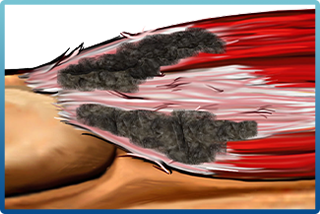
Diagrams and video courtesy of HydroCision, Inc.
Common Questions
Commonly pain lying on the affected side, difficulty with stairs, and aching after standing for a while. Many people adapt around it for months before seeking assessment.
It can be a reasonable step and is often already part of the history by the time patients present here. Its limitation is duration, since it does not change the tissue.
Around 15 to 20 minutes in an outpatient setting, with the device itself typically active for only a few minutes of that time.
Progressive loading under guidance, usually starting after an early follow-up visit. The specific program depends on the tendon treated and how your symptoms respond.
This information is general and is not medical advice. Whether any procedure is appropriate for you can only be determined by a physician who has examined you and reviewed your imaging.